The Use Case #2 pilots, step by step.
PUC 2.2 · Thessaloniki, Greece
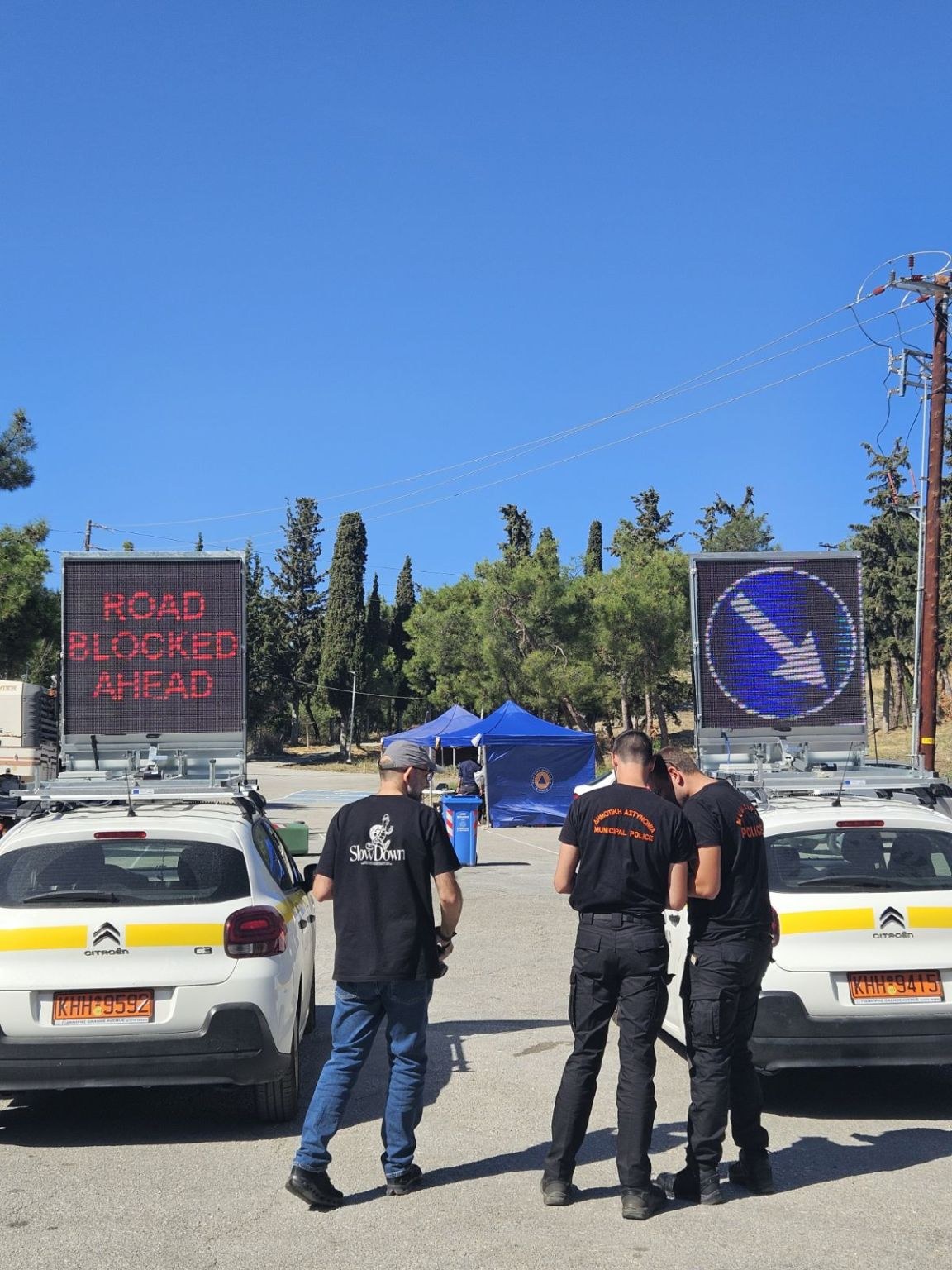
✓ Trials 6–8 Oct 2026From 6 to 8 October 2026, the Municipality of Thessaloniki hosted a three-day pilot in the car park of the Forest Theatre (Theatro Dasous). The partners tested tools that detect hazards caused by weather, such as heavy rain, flooding or strong winds, and send safety warnings in real time. Drones flew over selected high-risk spots to look for obstacles on the road, such as fallen trees, rocks or bins, and helped to monitor weather conditions. The Municipal Police Directorate worked with the partners to test the solutions in real urban conditions; the cameras were used only to detect environmental and road-safety hazards, not to identify people or vehicles.
Highlights from the iDriving pilot in Thessaloniki, 6–8 October 2026. Watch on YouTube →
- 19 Dec 2024 · Online2nd workshop of the Thessaloniki pilot use case: capability gaps in critical road situations and traffic management, user requirements and KPIs. Read more
- 6–8 Oct 2026 · ThessalonikiThree-day pilot at the Forest Theatre car park. Read the pilot story
- NextResults will be shared here once they are available.
PUC 2.1 · Karlovac, Croatia
● This week · 21–22 Oct 2026The Karlovac pilot is taking place this week. The iDriving partners meet in Karlovac for the project plenary on 19–20 October 2026, followed by the trials on 21–22 October 2026, with drones run by Acceligence. The scenario focuses on road maintenance on urban and secondary roads: detecting road defects such as potholes with drones and sensors, mapping them in 3D in the iDriving digital twin, planning repairs with less disruption, and keeping roadworks zones safe for workers and road users. News, photos and video will follow here soon.
- 1 Nov 2024 · Online1st participatory workshop for the Karlovac use case.
- 17 Jan 2025 · Online2nd participatory workshop with 45 participants, partners and local stakeholders, on pilot design and user requirements for urban and rural road maintenance. Read more
- 2 Oct 2026 · ŠibenikAt the cITy Upgrade conference, participants discussed examples from iDriving and the experience of the City of Karlovac. Read more
- 19–22 Oct 2026 · KarlovacPlenary meeting (19–20 Oct) and pilot trials (21–22 Oct). News coming soon.